
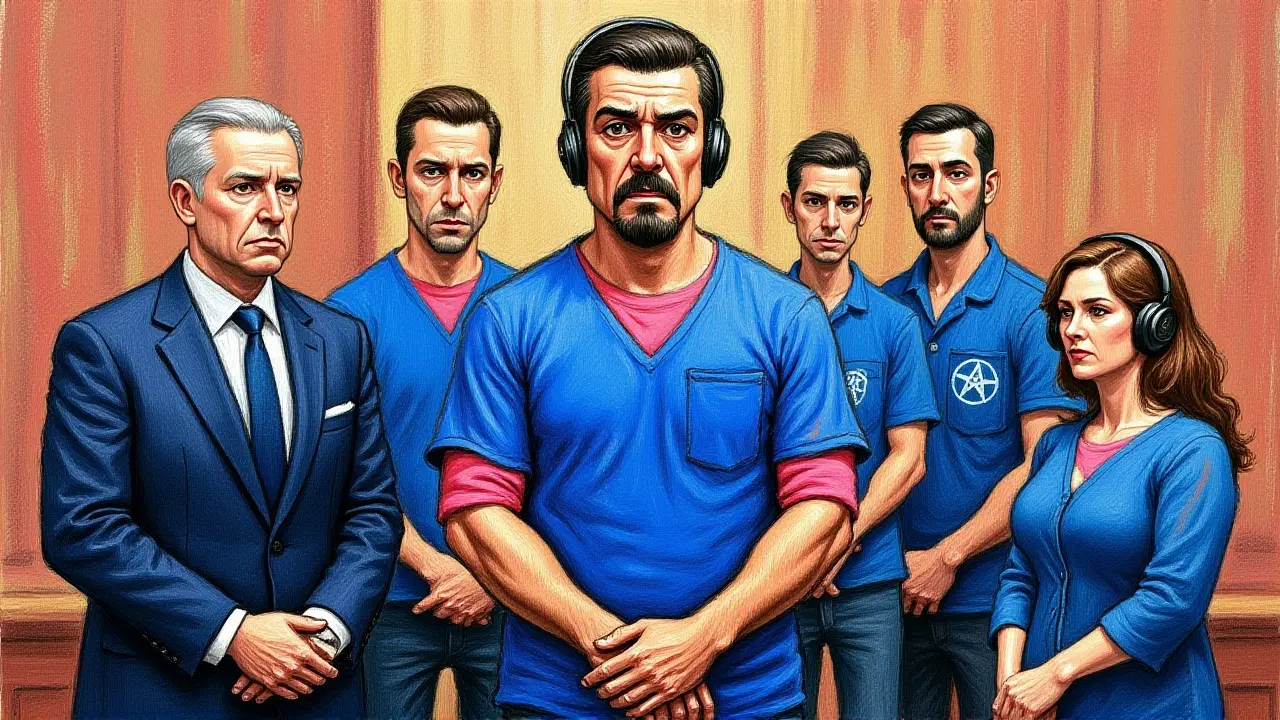
The legal battle of the century for South American politics reached a fever pitch on Monday, January 5, 2026, as Nicolas Maduro, the ousted president of Venezuela, was marched into a Manhattan federal court. He faces a heavy four-count indictment charging him with spearheading a brutal 25-year narco-terrorism conspiracy. The scene was surreal: a man who once ruled a nation with an iron fist now standing before Judge Alvin Hellerstein, stripped of his titles and facing the full weight of the American legal system.
Here's the thing: Maduro didn't arrive in New York by commercial flight. He and his wife, Cilia Flores, were seized in a dramatic overnight operation from their home on a military base. From there, they were transported under heavy guard aboard a U.S. warship, a move that signals just how high the stakes are for the United States government. A plane carrying the deposed leader touched down on Saturday evening, January 4, 2026, setting the stage for Monday's noon arraignment.
A Conspiracy Spanning Two Decades
This isn't just a simple drug case. The U.S. Department of Justice is painting a picture of a regime that functioned more like a cartel than a government. According to the new indictment released on January 4, 2026, the Maduro administration operated as a "corrupt, illegitimate government" that actively flooded American streets with cocaine to fund its hold on power.
The scale of the alleged operation is staggering. We're talking about a 25-year conspiracy that didn't just ignore drug trafficking but coordinated and facilitated large-scale shipments into the U.S. Turns out, the narcotics trade was the engine driving the regime's survival. By leveraging state resources and military infrastructure, Maduro allegedly turned Venezuela into a hub for global cocaine distribution.
The legal pressure has been mounting for years. While Maduro and other officials were first indicted in 2020, this new set of charges is far more aggressive. Pam Bondi, the U.S. Attorney General, made it clear that the government intends to prosecute both Maduro and Flores to the fullest extent. It's a move that seeks to dismantle the narrative of political persecution by focusing on the tangible, deadly impact of narco-terrorism.
The Shock of the Capture
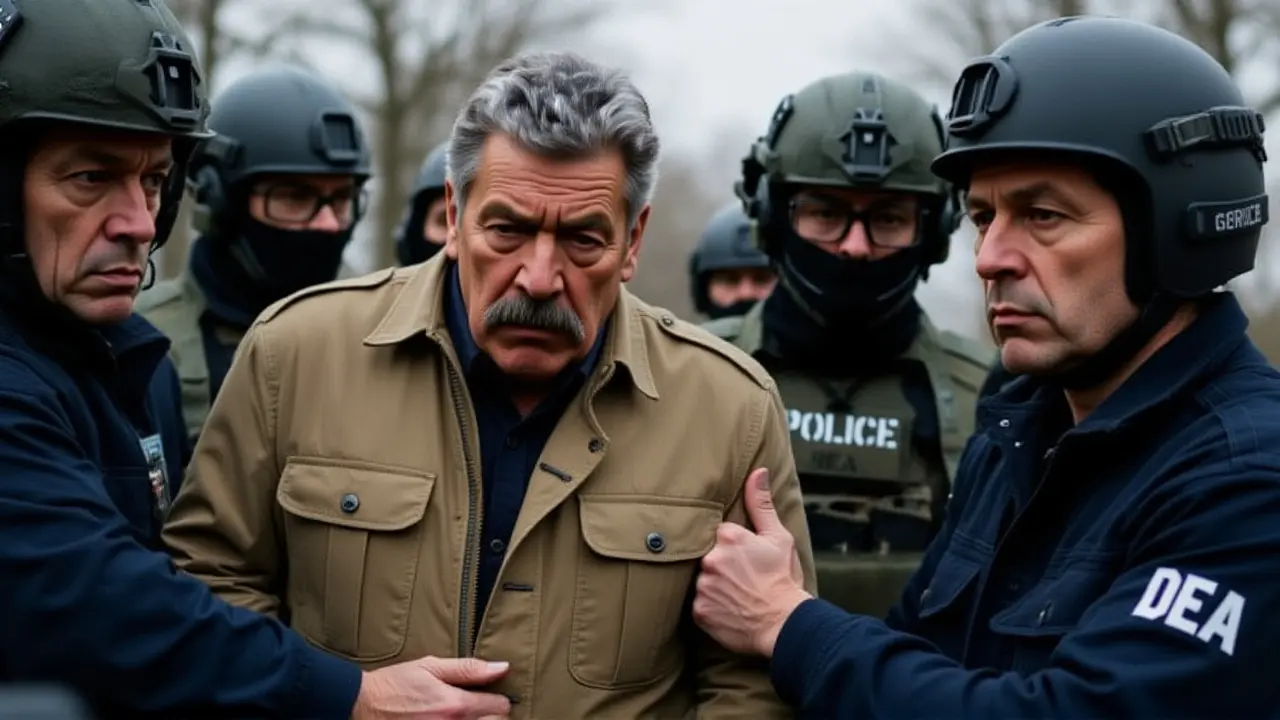
The logistics of the capture are almost cinematic. The seizure from a military base—the very place Maduro once relied on for protection—shows a total collapse of his inner circle. Being transported via a U.S. warship isn't just about security; it's a symbolic statement of power and a clear message that the U.S. does not recognize him as a sovereign leader with diplomatic immunity.
Inside the courtroom, the atmosphere was thick with tension. For those who have followed the Venezuelan crisis, seeing Maduro in a federal courtroom in Manhattan is a moment that felt impossible just a few years ago. The defense will likely argue that these charges are politically motivated, but the Justice Department is betting on a mountain of evidence involving financial trails and intelligence from defectors.
- Arraignment Date: January 5, 2026
- Charges: Four-count narco-terrorism indictment
- Duration of Conspiracy: Alleged 25-year period
- Key Figures: Nicolas Maduro and Cilia Flores
- Primary Allegation: Large-scale cocaine trafficking into the U.S.
What This Means for Venezuela and the World
The ripple effects of this trial will be felt far beyond New York. For the millions of Venezuelans who fled the country due to hyperinflation and political violence, this is a moment of profound reckoning. If Maduro is convicted, it could set a global precedent for holding "state-sponsored" criminals accountable, regardless of their former rank.
Oddly enough, the timing is critical. With the U.S. government refusing to recognize Maduro's legitimacy, the trial serves as a formal end to his era. But wait—there's the question of what happens to the remnants of his administration. Will other high-ranking officials follow him to a U.S. prison, or will they find safe harbor in allied nations?
Experts suggest that the trial will likely uncover a goldmine of information regarding how the regime laundered money through international banks. This could lead to a new wave of sanctions or legal actions against foreign entities that helped the Maduro family hide their wealth (which is estimated to be in the billions).
The Long Road to Justice
Looking ahead, the legal process will be slow and grueling. A narco-terrorism case of this magnitude involves thousands of pages of evidence and witnesses from across the globe. The defense will certainly try to delay, but the U.S. government has already shown its hand by bringing him to New York so swiftly.
The historical context is vital here. This isn't the first time the U.S. has gone after a foreign leader, but the specific charge of narco-terrorism elevates the case. It transforms Maduro from a political adversary into a criminal enterprise leader. The trial will likely be the most detailed autopsy of the Venezuelan regime's collapse ever conducted.
Frequently Asked Questions
Why was Nicolas Maduro brought to New York instead of being tried in Venezuela?
The U.S. government does not recognize Maduro as the legitimate leader of Venezuela and has issued an indictment through the Department of Justice. Because the alleged crimes—specifically narco-terrorism—directly impacted the United States by flooding the country with cocaine, U.S. federal courts have jurisdiction to prosecute the case in Manhattan.
What exactly is "narco-terrorism" in the context of this case?
Narco-terrorism refers to the alliance between drug traffickers and terrorist groups or corrupt state actors to fund political or violent goals. In this case, the U.S. alleges that Maduro used the cocaine trade as a primary revenue stream to maintain his grip on power and fund his regime's security apparatus over a 25-year period.
What role does Cilia Flores play in the indictment?
Cilia Flores, the wife of Nicolas Maduro, is co-indicted in the new charges released on January 4, 2026. The Justice Department alleges she played a key role in the conspiracy, helping to facilitate the drug trafficking operations and managing the financial gains derived from the narco-terrorism network.
What happened to the 2020 charges?
The 2020 charges were the initial foundation for the legal action against Maduro and his associates. However, the new four-count indictment released in January 2026 provides expanded evidence and more specific charges, painting a more comprehensive picture of the regime as a corrupt criminal enterprise rather than just a political entity.



Post A Comment