
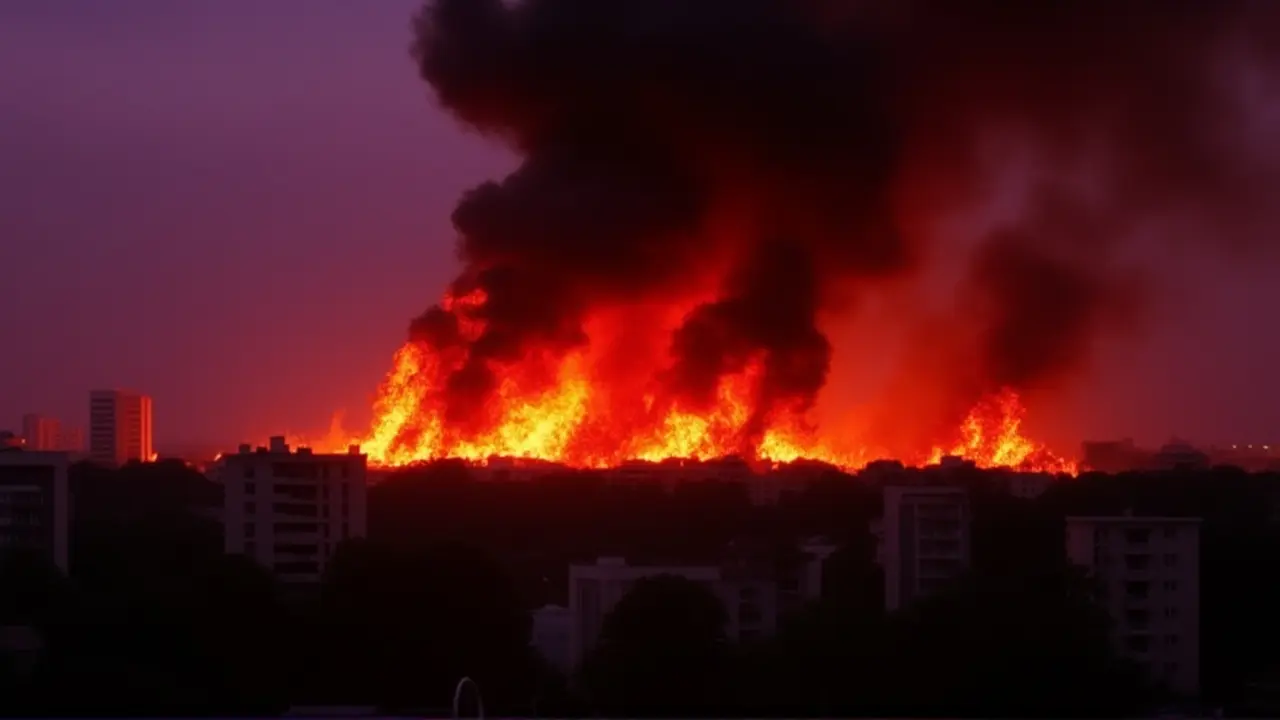
When the first explosions rattled Ryazan in the early hours of Friday, 15 May 2026, residents likely didn't realize they were witnessing a significant blow to Russia’s war machine. By Tuesday, 19 May, industry sources confirmed what satellite imagery and local reports had hinted at: the massive oil refinery owned by Rosneft had completely halted output.
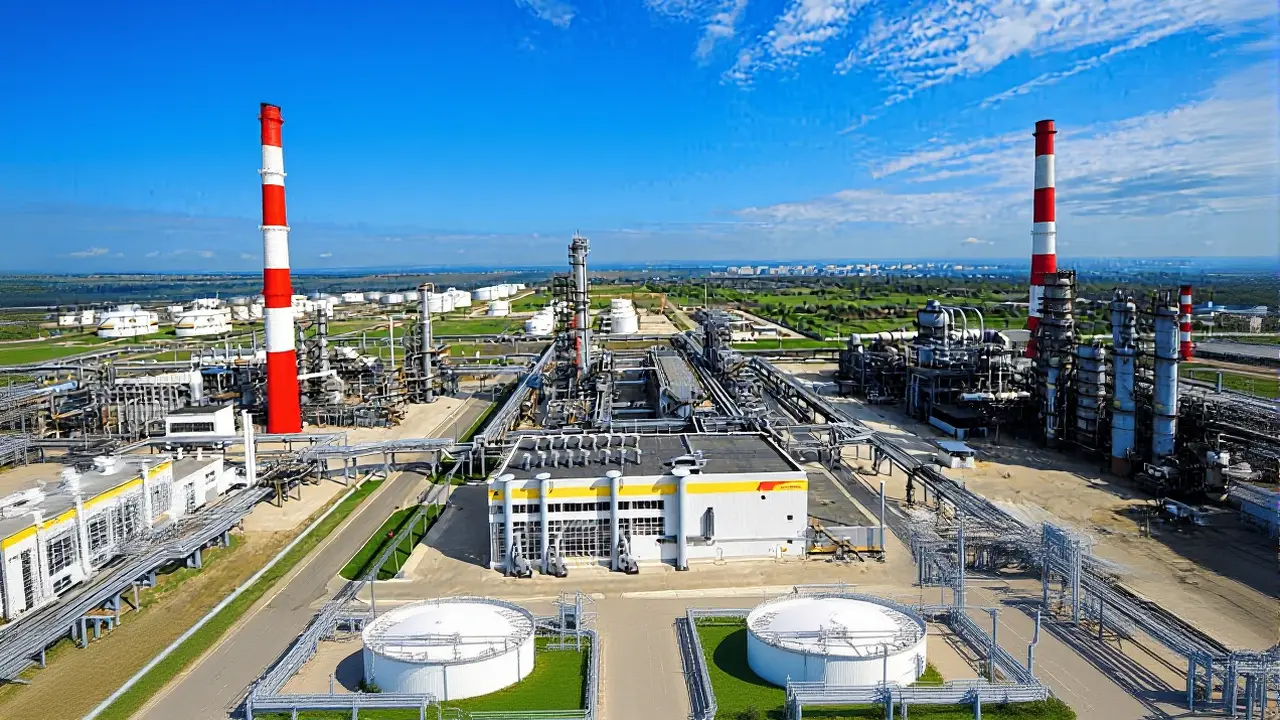
The facility, located just southeast of Moscow, isn't just another industrial site. It accounts for nearly 5% of the entire Russian Federation’s oil refining capacity. Its shutdown sends shockwaves through domestic fuel supplies and, crucially, disrupts the flow of diesel and aviation fuel to Russian military forces operating on the front lines.
A Strategic Target Hit Hard
Here’s the thing about this attack: it wasn’t random. The Ryazan refinery is one of the largest in the country, processing a staggering 13.1 million tonnes of crude oil in 2024 alone. That input produced 2.2 million tonnes of gasoline, 3.4 million tonnes of diesel, and 4.3 million tonnes of fuel oil.
Ukraine’s General Staff confirmed that their Defense Forces struck the plant during the night of 14–15 May. They weren't aiming for general chaos; they targeted specific, high-value assets. According to Kyiv, the strike damaged the AVT-3, AVT-4, and AT-6 processing units, along with a critical diesel fuel hydrotreating unit. These are the heartbeats of the refinery—the machinery that turns raw crude into usable fuel.
"The details of the repair timeline remain unclear," noted one energy analyst, but the implication is severe. Without those units, the plant can't function. And given its role in supplying the Russian Armed Forces, every day offline is a logistical headache for Moscow.
On the Ground in Ryazan
The human cost of these strikes is often buried in technical jargon, but not this time. At around 02:00 local time, neighbors reported explosions ringing out "one after another." Videos circulating on Telegram showed thick black smoke billowing from the industrial zone, flames licking the sky against the pre-dawn darkness.
Pavel Malkov, Governor of the Ryazan Region, faced a difficult situation. He reported that the drone attack hadn't just hit the refinery. Several residential buildings sustained damage, as did the grounds of at least one business. When asked about casualties, he offered a vague but concerning statement: “Early reports indicate that people have been affected.”
Oddly enough, no official death toll or injury count has been released. In Russian regional reporting, such ambiguity is common, but it leaves families and observers guessing about the true impact on civilians living near these strategic targets.
Broader Disruptions Across Russia
This wasn't an isolated incident. While Ryazan burned, other parts of western Russia felt the tremors. Explosions were reported simultaneously in the Bryansk Region, and in the southern cities of Taganrog and Yeysk.
In Yeysk, smoke rose from an air base housing the 859th Centre for Naval Aviation Combat Application. This suggests a coordinated effort to degrade multiple facets of Russian military infrastructure—fuel production on one end, pilot training on the other.
The ripple effects hit civilian life hard. Airports in Nizhny Novgorod, Yaroslavl, and Tambov temporarily suspended arrivals and departures. Even Moscow’s Vnukovo airport operated under restrictions. For travelers already stressed by the ongoing conflict, this added layer of uncertainty was frustrating. Flights were delayed, itineraries scrambled, all because the airspace had become too contested.
Why This Matters Now
Turns out, targeting energy infrastructure is becoming Ukraine’s primary strategy to bleed the Russian economy dry. The Ryazan refinery is roughly 354 kilometers from the Ukrainian border—a distance that would have seemed safe before long-range drones became commonplace.
With Rosneft losing nearly 5% of its refining capacity, the question isn't just about immediate fuel shortages. It's about long-term resilience. Can Russia repair these specialized units quickly? Will they divert resources from other projects? The answer will shape the energy landscape for months to come.
Frequently Asked Questions
How long will the Ryazan refinery be offline?
There is currently no official timeline for restarting operations. Given the damage to key processing units like the AVT-3 and diesel hydrotreating facilities, repairs could take weeks or even months, depending on parts availability and security conditions.
Who owns the Ryazan oil refinery?
The refinery is owned by Rosneft, the state-controlled oil giant. It is one of the company's most significant assets, contributing nearly 5% to Russia's total national refining capacity.
Were there any casualties in Ryazan?
Governor Pavel Malkov stated that "people have been affected," but no specific numbers regarding injuries or fatalities have been released by Russian authorities as of late May 2026.
What other regions were attacked on the same night?
Explosions were reported in the Bryansk Region, as well as in the cities of Taganrog and Yeysk. Additionally, airports in Nizhny Novgorod, Yaroslavl, and Tambov suspended flights due to airspace restrictions.




Post A Comment