
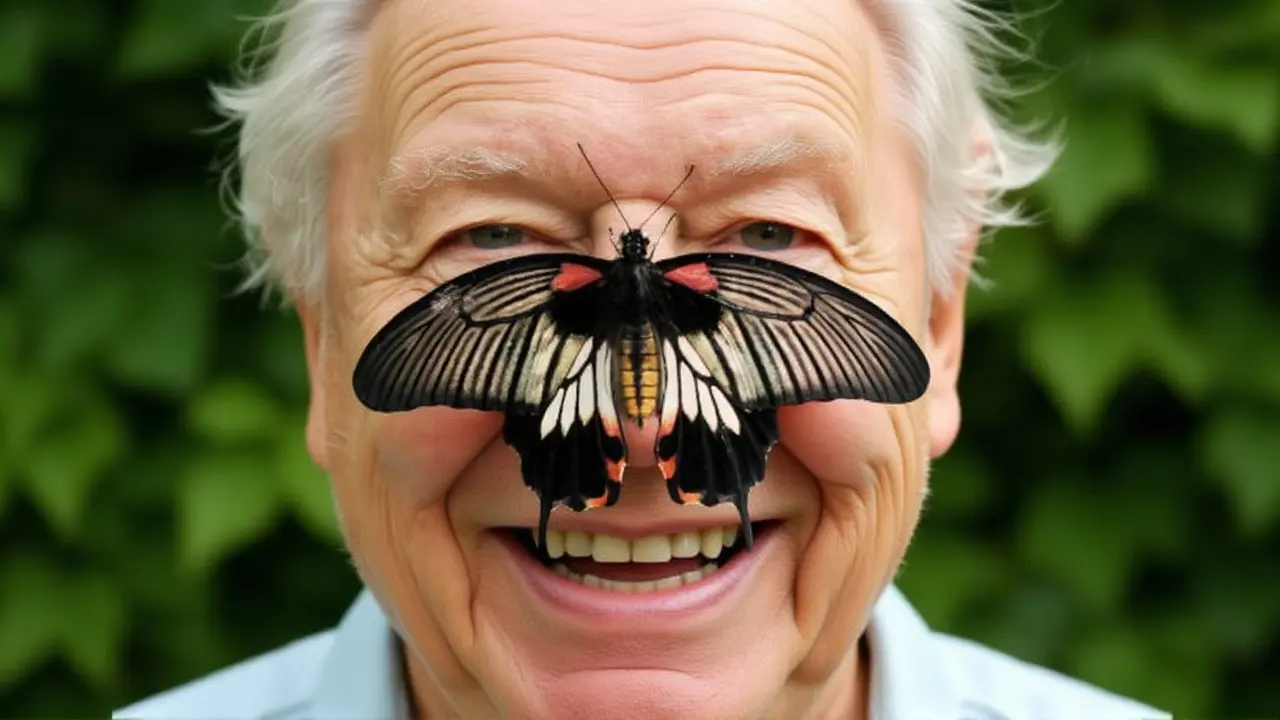
He’s the voice that has guided us through jungles, deep oceans, and arctic wastes for decades. Today, David Attenborough, British naturalist and broadcaster, marks a truly rare milestone: he is 100 years old.
The celebrations kicked off in London with a special party hosted by BBC at the iconic Royal Albert Hall. It’s not just a private affair, though. Cinemas across the UK are screening his beloved nature films, inviting the public to join in the reverence for a man who changed how we see the world.
Here’s the thing about turning 100 in the public eye: it’s less about the cake and more about the legacy. For Attenborough, that legacy is measured in species saved, minds opened, and hearts stirred by the whisper of a butterfly or the roar of a lion.
A Century of Wonder
Think back to 1954. The first episode of "Zoo Quest" aired, and suddenly, people in their living rooms could travel to remote corners of the globe. Attenborough wasn’t just showing animals; he was telling stories. He made us care about creatures we’d never seen before.
Over the next seven decades, he produced over 300 hours of wildlife documentaries. From "Life on Earth" in 1979 to the recent "Planet Earth II," his work has consistently pushed the boundaries of what television could do. He didn’t just record nature; he interpreted it.
"His voice is the soundtrack of our environmental awakening," says one cultural critic. And it’s true. That hushed, excited tone? It’s become synonymous with discovery itself.
The Butterfly Connection
If you want a symbol of Attenborough’s dedication, look no further than butterflies. He served as President of Butterfly Conservation for many years. In July 2012, during the launch of the Big Butterfly Count at London Zoo, a Great Mormon butterfly landed gently on his nose. The photo went viral.
It was a perfect moment. A tiny, fragile creature trusting a centenarian-in-the-making. It captured everything Attenborough stands for: patience, respect, and wonder.
That event wasn’t just PR. It was part of a larger effort to engage the public in citizen science. The Big Butterfly Count helps track population trends, which are critical for understanding climate change impacts. Attenborough knew early on that data needs eyes—and he helped provide them.
Celebrating in Style
The BBC Centenary CelebrationRoyal Albert Hall isn’t just a party. It’s a tribute. Guests included fellow broadcasters, scientists, and politicians who have been influenced by his work.
Cinemas are also getting involved. Special screenings of his most impactful films are taking place nationwide. It’s a chance for new generations to experience his storytelling firsthand. Imagine watching "Blue Planet" for the first time, hearing that familiar voice guide you through the depths of the ocean. It’s powerful.
"We’re not just celebrating a birthday," said a BBC spokesperson. "We’re celebrating a lifetime of inspiring curiosity and compassion for the natural world."
Why This Matters Now
In an era of climate anxiety and biodiversity loss, Attenborough’s message is more relevant than ever. He’s shifted from pure celebration to urgent advocacy in recent years. His Netflix series "A Life on Our Planet" serves as both a witness statement and a call to action.
He’s seen the changes firsthand. He’s watched forests shrink, ice caps melt, and species vanish. Yet, he remains hopeful. Not naively, but strategically. He believes that if people understand what’s at stake, they’ll act.
Experts say his influence extends beyond entertainment. Studies show that exposure to his documentaries increases support for conservation policies among viewers. That’s a tangible impact.
What’s Next for Sir David?
At 100, most people slow down. Attenborough? He’s still working. While details of future projects remain under wraps, sources suggest he’s interested in continuing his advocacy work. He may not be trekking through rainforests anymore, but his voice carries weight in boardrooms and parliaments.
The focus now is on legacy. How do we ensure the lessons learned from his career continue to inspire? Educational programs, museum exhibits, and digital archives are already being planned to preserve his contributions.
For now, though, let’s enjoy the celebration. Let’s watch those films, listen to that voice, and remember why we fell in love with nature in the first place.
Frequently Asked Questions
How did David Attenborough start his career?
Attenborough began as a radio producer after World War II, studying zoology at Cambridge University. His passion for wildlife led him to create "Zoo Quest" in 1954, launching a career that would span seven decades and redefine nature broadcasting globally.
What is the significance of the Royal Albert Hall event?
The event at the Royal Albert Hall is a major public celebration hosted by the BBC to honor Attenborough’s 100th birthday. It brings together colleagues, fans, and influencers to celebrate his contributions to science communication and environmental awareness.
Has Attenborough always focused on conservation?
While his early work focused on exploration and education, Attenborough increasingly emphasized conservation from the 1980s onward. His later works, like "A Life on Our Planet," explicitly address climate change and biodiversity loss, urging immediate action.
Can I watch his films during the celebrations?
Yes! Cinemas across the UK are hosting special screenings of his most popular documentaries. These events allow audiences to experience his storytelling in a communal setting, fostering shared appreciation for his life’s work.
What role does Butterfly Conservation play in his legacy?
As former President of Butterfly Conservation, Attenborough championed citizen science initiatives like the Big Butterfly Count. This engagement helps monitor ecological health and raises public awareness about habitat preservation, reflecting his belief in community-driven conservation.



Post A Comment